

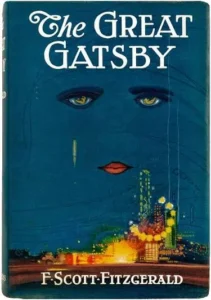
| Title | The Great Gatsby by F. Scott Fitzgerald |
| Author Name | F. Scott Fitzgerald |
| Type | Fiction |
| Published | 1925 |
| Number of copies sold | ~25 million |
| Online | Available |
The Great Gatsby by F. Scott Fitzgerald is one of the most famous American novels ever written. First published in 1925, the book is considered a literary classic and is widely studied in schools and universities around the world. The story is set during the Roaring Twenties, a period known for wealth, glamour, and social change in the United States.Filled with romance, ambition, mystery, and tragedy, The Great Gatsby by F. Scott Fitzgerald explores the pursuit of the American Dream and the consequences of obsession and materialism
More Books
A Christmas Carol by Charles Dickens
The Da Vinci Code by Dan Brown
Interesting Fact About The Great Gatsby by F. Scott Fitzgerald
An interesting fact about The Great Gatsby by F. Scott Fitzgerald is that the novel was not an immediate commercial success when it was first published. However, it later became one of the most celebrated works of American literature and is now regarded as Fitzgerald’s masterpiece.
Best Quote from the Book
One memorable quote from the novel is:
“So we beat on, boats against the current, borne back ceaselessly into the past.”
This famous quote reflects the novel’s themes of dreams, memories, and the struggle to move forward in life.
Summary of The Great Gatsby by F. Scott Fitzgerald
The story is narrated by Nick Carraway, a young man who moves to Long Island, New York, in search of new opportunities.
Nick Meets Jay Gatsby
Nick becomes fascinated by his mysterious neighbor, Jay Gatsby, a wealthy man known for hosting extravagant parties. Despite his fame and fortune, Gatsby remains an enigma to most people. As Nick gets to know him, he discovers that Gatsby is deeply in love with Daisy Buchanan, a woman from his past.
Gatsby’s Dream
For years, Gatsby has built his fortune with one goal in mind: winning back Daisy’s love. He believes that money and success can recreate the happiness they once shared. His dream becomes the driving force behind his actions and decisions.
Daisy and Tom Buchanan
Daisy is married to Tom Buchanan, a wealthy and powerful man. Although their marriage appears perfect from the outside, it is filled with tension and unhappiness. Tom’s arrogance and selfish behavior create conflict throughout the story.
Gatsby and Daisy Reunite
With Nick’s help, Gatsby and Daisy meet again after many years apart. Their relationship begins to grow once more, and Gatsby hopes they can start a new life together. However, the reality of the present proves more complicated than Gatsby imagined.
The Tragic Turning Point
As tensions rise between Gatsby, Daisy, and Tom, a series of events leads to tragedy. Secrets are revealed, relationships are tested, and dreams begin to fall apart. The consequences of these events change the lives of everyone involved.
The Fall of Gatsby’s Dream
Despite his wealth and determination, Gatsby cannot escape reality. His idealized vision of the past ultimately leads to disappointment and heartbreak. The novel ends with a powerful reflection on hope, ambition, and the human desire to achieve impossible dreams.
Why Is The Great Gatsby by F. Scott Fitzgerald Popular?
The Great Gatsby by F. Scott Fitzgerald remains popular because of its timeless themes and unforgettable characters.
It is popular because it:
- Explores the American Dream
- Features memorable and complex characters
- Contains romance and mystery
- Offers powerful social commentary
- Examines wealth and ambition
The novel continues to inspire readers with its emotional depth and meaningful messages.
Key Lessons from The Great Gatsby by F. Scott Fitzgerald
Wealth Does Not Guarantee Happiness: The novel shows that money and luxury cannot always bring fulfillment or true happiness.
The Past Cannot Be Recreated: Gatsby learns that trying to relive the past can lead to disappointment.
Dreams Can Be Powerful: The story highlights how dreams motivate people, but unrealistic expectations can have consequences.
Honesty Matters: Many conflicts in the novel arise because of secrets, deception, and dishonesty.
Society Is Not Always Fair: The book explores social class divisions and the challenges people face when trying to change their circumstances.
Main Characters in The Great Gatsby by F. Scott Fitzgerald
Jay Gatsby: A wealthy and mysterious man who dedicates his life to winning back Daisy’s love.
Nick Carraway: The narrator of the story who observes the lives of those around him.
Daisy Buchanan: A beautiful woman caught between love, wealth, and social expectations.
Tom Buchanan: Daisy’s wealthy husband who represents privilege and arrogance.
Jordan Baker: A professional golfer and friend of Daisy who becomes close to Nick.
Why Should You Read The Great Gatsby by F. Scott Fitzgerald?
This book is perfect for:
- Classic literature lovers
- Students and scholars
- Readers interested in American history
- Fans of romance and drama
- People who enjoy meaningful themes
- Readers who appreciate beautiful writing
Anyone interested in timeless stories about dreams, love, and ambition will find this novel unforgettable.
FAQs
What is The Great Gatsby by F. Scott Fitzgerald about?
It is a novel about Jay Gatsby’s pursuit of love, wealth, and the American Dream during the 1920s.
Who wrote The Great Gatsby?
The novel was written by F. Scott Fitzgerald.
What genre is The Great Gatsby?
It is a classic fiction, literary fiction, and historical fiction novel.
Who is the main character in The Great Gatsby?
Jay Gatsby is the central character, while Nick Carraway serves as the narrator.
Conclusion
The Great Gatsby by F. Scott Fitzgerald is a timeless masterpiece that explores dreams, love, wealth, and the pursuit of happiness. Through the tragic journey of Jay Gatsby, readers gain insight into human ambition, social class, and the challenges of chasing an idealized future. With its unforgettable characters, powerful themes, and beautiful storytelling, The Great Gatsby by F. Scott Fitzgerald remains one of the greatest novels in literary history.