

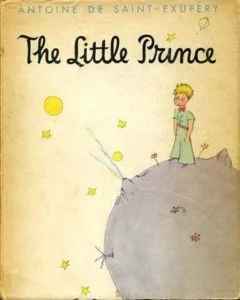
| Title | The Little Prince By Antoine de Saint-Exupéry |
| Author Name | Antoine de Saint-Exupéry |
| Type | Fiction/Motivation |
| Published | 1943 |
| Number of copies sold | ~140 million, making it the third best-selling book of all time (in 250 languages) |
| Online | Available |
More Motivational Books
Managing Oneself By Peter Drucker
Choose Yourself By James Altucher
Pippi Longstocking By Astrid Lindgren
The Little Prince is a timeless philosophical novella written by Antoine de Saint-Exupéry. First published in 1943, it is one of the most translated and widely read books in the world. Although it is often classified as a children’s story, it carries deep emotional, spiritual, and philosophical meanings that resonate strongly with adults. The story follows a young prince who travels from planet to planet, meeting different characters and learning important life lessons about love, friendship, loneliness, and human nature. Its simple language hides powerful wisdom, making it a unique blend of fantasy and philosophy.
Interesting Fact About The Little Prince
An interesting fact about The Little Prince is that it was written during World War II while the author was in exile in the United States. Many scholars believe the story reflects the loneliness and emotional struggles of Saint-Exupéry during that time. The drawing style in the book was also created by the author himself, giving it a deeply personal and artistic touch.
Best Quote from The Little Prince
One of the most famous and meaningful quotes from the book is:
“And now here is my secret, a very simple secret: It is only with the heart that one can see rightly; what is essential is invisible to the eye.”
Summary of The Little Prince
The Little Prince tells the story of a pilot who crashes in the Sahara Desert and meets a mysterious young boy known as the Little Prince. The prince comes from a small asteroid called B-612 and has traveled across various planets.
During his journey, he meets several strange adults, each representing human flaws such as vanity, greed, authority, and loneliness. He eventually arrives on Earth, where he forms a deep friendship with a fox who teaches him the meaning of love and responsibility. The story ends with the prince deciding to return to his home planet, leaving behind important lessons for the pilot and readers about relationships, loss, and the value of emotional connection.
Why is The Little Prince a Motivational and Philosophical Book?
The Little Prince is motivational not in a traditional success-oriented way, but in a deeply emotional and philosophical sense. It encourages readers to look beyond materialism and reconnect with innocence, imagination, and human values.
The book teaches that:
- Adults often lose sight of what truly matters in life
- Love and responsibility are deeply connected
- Imagination is essential for understanding the world
- Emotional intelligence is more important than appearances
Its motivational power comes from its ability to make readers reflect on their own lives and priorities.
Key Themes of The Little Prince
- Love and Relationships: The bond between the Little Prince and his rose symbolizes care, responsibility, and emotional attachment.
- Innocence vs. Adult Thinking: The book contrasts the imaginative thinking of children with the overly logical mindset of adults.
- Loneliness: Many characters in the story represent isolation and the human need for connection.
- Meaning of Life: It explores how meaning is found not in possessions, but in relationships and experiences.
FAQs The Little Prince By Antoine de Saint-Exupéry
What is The Little Prince about?
It is about a young prince who travels between planets and learns life lessons about love, friendship, and human behavior.
Is The Little Prince a children’s book?
Yes, but it is also considered a philosophical book for adults due to its deep meanings.
Who wrote The Little Prince?
It was written by Antoine de Saint-Exupéry, a French writer and pilot.
Why is The Little Prince so popular?
It is popular because of its universal themes, emotional storytelling, and simple yet powerful message.
What is the main lesson of the book?
The main lesson is that “what is essential is invisible to the eye,” meaning true value lies in emotions and relationships.
Conclusion
The Little Prince remains one of the most beloved literary works in the world. Written by Antoine de Saint-Exupéry, it continues to inspire readers of all ages with its timeless wisdom about love, imagination, and the meaning of life. Whether read as a child or an adult, it always reveals new layers of understanding and emotional depth.