

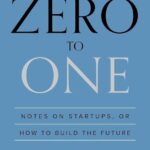
| Title | Zero to One |
|---|---|
| Author Name | Peter Thiel |
| Type | Non-fiction |
| Published | 2014 |
| Number of Copies Sold | ~1.25 million |
| Online | Available |
Zero to One by Peter Thiel is one of the most influential books about startups, innovation, entrepreneurship, and building the future. First published in 2014, the book explains how entrepreneurs can create something completely new instead of simply copying existing ideas. Written by Peter Thiel with Blake Masters, Zero to One offers practical lessons for anyone interested in business, technology, startups, and innovation.
More Books
- The Richest Man in Babylon by George Samuel Clason
- The Great Gatsby by F. Scott Fitzgerald
- Around the World in 80 Days by Jules Verne
Interesting Fact About Zero to One by Peter Thiel
An interesting fact about Zero to One by Peter Thiel is that the book developed from notes taken from a startup class taught by Peter Thiel at Stanford University. Blake Masters originally took detailed notes from the course, which later became the foundation for the book.
Best Quote from the Book
One of the most memorable ideas from the book is:
“Brilliant thinking is rare, but courage is in even shorter supply than genius.”
This idea highlights the importance of having the courage to think differently, take risks, and pursue ideas that others may not immediately understand.
Summary of Zero to One by Peter Thiel
The book focuses on how entrepreneurs can create new businesses and technologies that move society forward. Peter Thiel argues that true innovation happens when people create something genuinely new rather than simply improving or copying what already exists.
The central idea is simple: going from zero to one means creating something new, while going from one to many means copying or expanding something that already exists.
What Does Zero to One Mean?
The title Zero to One by Peter Thiel represents the process of creating something completely new.
According to Thiel, there is a major difference between:
- Creating something that has never existed before
- Reproducing an existing product or business
- Building new technology
- Expanding an existing idea into new markets
Going from zero to one represents innovation, while going from one to many represents globalization and expansion.
The Importance of Innovation
One of the most important lessons in Zero to One by Peter Thiel is that innovation can create enormous value. Instead of competing directly with established businesses, entrepreneurs should look for opportunities where they can develop something unique.
Thiel encourages entrepreneurs to ask questions such as:
- What valuable company is nobody building?
- What important problem has not been solved?
- What can technology make possible?
- What can be created that is completely different?
These questions can help entrepreneurs discover opportunities that competitors have overlooked.
Competition and Monopoly
Peter Thiel presents an unusual perspective on competition. He argues that entrepreneurs should not simply try to enter crowded markets and compete with countless companies.Instead, successful businesses should aim to become unique in their market.
A strong company can develop an advantage through:
- Innovative technology
- Strong branding
- Network effects
- Economies of scale
- Proprietary knowledge
- A powerful business strategy
The goal is to build a business that offers something competitors cannot easily copy.
The Power of Technology
Technology plays a major role in Zero to One by Peter Thiel. Thiel believes technological progress can create entirely new possibilities and improve people’s lives.He encourages entrepreneurs to think beyond existing solutions and imagine what could become possible through technological innovation.
Rather than asking how to make an existing product slightly better, entrepreneurs should ask how they can create a solution that changes the way people live or work.
Building a Successful Startup
The book also explains several principles that entrepreneurs should consider when building a startup.
A successful startup needs:
- A clear vision
- A strong founding team
- A valuable product
- A specific target market
- A unique competitive advantage
- Effective distribution
- Long-term planning
Having a great idea is not enough. Entrepreneurs must also know how to turn that idea into a sustainable business.
The Importance of a Strong Team
Peter Thiel emphasizes the importance of choosing the right people. A startup’s founders and early employees can have a major impact on its future.A strong team should share a common vision and understand what the company is trying to accomplish.When talented people work together toward a clear goal, they can build products and companies that create lasting value.
Thinking About the Future
Another major theme in Zero to One by Peter Thiel is the importance of thinking about the future.Thiel encourages readers to imagine what the world could look like years from now rather than focusing only on current trends.Entrepreneurs who think long-term may discover opportunities that others cannot see.The book encourages readers to ask:
What important future can we build that does not exist today?
Why Is Zero to One by Peter Thiel Popular?
Zero to One by Peter Thiel remains popular because it offers a different way of thinking about entrepreneurship, competition, and innovation.
It is popular because it:
- Encourages original thinking
- Explains important startup principles
- Focuses on innovation and technology
- Challenges traditional ideas about competition
- Provides lessons for entrepreneurs
- Encourages long-term thinking
- Inspires readers to create something new
The book has become a popular choice among entrepreneurs, startup founders, business students, and technology enthusiasts.
Key Lessons from Zero to One by Peter Thiel
Create Something New: Innovation begins when you create something that did not exist before.
Think Differently: Successful entrepreneurs often see opportunities that others overlook.
Avoid Unnecessary Competition: Building a unique business can be more valuable than fighting for a small share of a crowded market.
Focus on the Future: Long-term thinking can help entrepreneurs identify important opportunities.
Build a Strong Team: The right people can make a major difference in a startup’s success.
Develop a Competitive Advantage: Businesses need something valuable and difficult for competitors to copy.
Main Ideas in Zero to One by Peter Thiel
Innovation: Creating new technology and ideas can move society forward.
Monopoly: Unique businesses can have stronger advantages than companies competing in crowded markets.
Technology: Technological progress can create entirely new industries and opportunities.
Entrepreneurship: Entrepreneurs should search for problems that need new solutions.
Long-Term Thinking: Building a valuable company requires looking beyond immediate trends.
Why Should You Read Zero to One by Peter Thiel?
This book is perfect for:
- Entrepreneurs
- Startup founders
- Business students
- Technology enthusiasts
- Future business leaders
- People interested in innovation
- Readers who want to understand startups
Whether you are planning a business or simply interested in how innovative companies are created, Zero to One by Peter Thiel provides thought-provoking ideas about building something valuable and different.
FAQs
What is Zero to One by Peter Thiel about?
Zero to One is a book about startups, innovation, technology, and entrepreneurship. It explains how creating something completely new can generate significant value.
Who wrote Zero to One?
The book was written by Peter Thiel with Blake Masters. Peter Thiel is an entrepreneur, investor, and co-founder of PayPal.
What does zero to one mean in the book?
“Zero to one” refers to creating something new that did not exist before.
What is the main message of Zero to One?
The main message is that entrepreneurs should focus on creating unique products, technologies, and businesses instead of simply copying competitors.
Conclusion
Zero to One by Peter Thiel is an influential book about entrepreneurship, innovation, technology, and building the future. Its central message encourages readers to think independently and create something genuinely new instead of simply copying existing businesses.Through its ideas about startups, monopoly, competition, technology, and long-term planning, the book challenges readers to look beyond conventional business strategies.